- 3434 SW 53rd Ct, Fort Lauderdale, FL 33312, United States
- [email protected]
- 3434 SW 53rd Ct, Fort Lauderdale, FL 33312, United States
- [email protected]
- About
- Services
- Emergency Plumbing in Fort Lauderdale, FL
- Residential Plumbing in Fort Lauderdale, FL
- Commercial Plumbing Services in Fort Lauderdale, FL
- Top-Rated Drain Cleaning Services in Fort Lauderdale, FL
- Leak Detection in Fort Lauderdale, FL
- Pipe Repair in Fort Lauderdale, FL
- Water Filtration in Fort Lauderdale, FL
- Hydro Jetting
- Tub and Shower Fixtures Fort Lauderdale, FL
- Sewer Line Repair Fort Lauderdale, FL
- Sewer Inspection Fort Lauderdale, FL
- Repiping
- Backflow Prevention in Fort Lauderdale, FL
- Top-Rated Water Heater Repair Services in Fort Lauderdale, FL
- Faucet Repair in Fort Lauderdale, FL
- Toilet Repair in Fort Lauderdale, FL
- Plumber in Boca Raton
- Plumber Miramar FL
- Backflow Prevention in Miramar, FL
- Commercial Plumbing
- Residential Plumber Miramar FL
- Drain Cleaning
- Emergency Plumber
- Faucet Repair
- Garbage Disposal Repair
- Hydro Jetting in Miramar, FL
- Leak Detection
- Repiping Miramar FL
- Sewer Line Repair in Miramar, FL
- Sewer Inspection Miramar FL
- Toilet Repair Miramar FL
- Tub and Shower Fixtures Miramar FL
- Water Filtration in Miramar, FL
- Pipe Repair Miramar FL
- Service Areas
- Fort Lauderdale Neighborhood
- Serving All of Fort Lauderdale, FL
- Plumber Alandco FL
- Plumber Broadview Park FL
- Plumber Flagler Village FL
- Plumber Hacienda Village FL
- Plumber Harbor Beach FL
- Plumber Las Olas Isles FL
- Plumber Melrose Manors FL
- Plumber Progresso Village FL
- Plumber Rio Vista FL
- Plumber Royal Poinciana FL
- Plumber Tarpon River FL
- Plumber Victoria Park FL
- Plumber Melrose Manors FL
- Miramar Neighborhoods
- Our Locations
- Plumber Oakland Park FL
- Plumber Plantation FL
- Plumber Pompano Beach
- Plumber Sunrise FL
- Plumber Tamarac FL
- Plumber Weston FL
- Hollywood FL Plumber
- Plumber Coconut Creek FL
- Plumber Cooper City FL
- Plumber Coral Springs FL
- Plumber Davie FL
- Plumber Deerfield Beach
- Plumber Lauderhill FL
- Plumber Dania Beach FL
- Plumber Hallandale Beach
- Plumber Margate FL
- Plumber Pembroke Pines FL
- Plumber Parkland FL
- Contact
South Florida · 2026 Guide
Why Do Sewer Lines Keep Clogging in South Florida Homes?
Which One Is Better for Your Home?
A clog that comes back every few months isn’t bad luck. It’s a symptom. A single, isolated clog from too much toilet paper is a nuisance you clear and forget. A main sewer line that clogs again and again, sometimes in the same spot, is a warning sign that something structural or ongoing is happening underground, and no amount of plunging is going to fix it permanently.
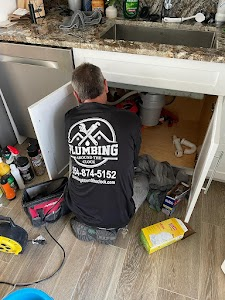
South Florida’s mix of mature landscaping, older housing stock, and specific soil conditions creates a near-perfect setup for recurring sewer problems. Here’s what’s actually driving them, some common signs, and what a real fix looks like.
50–60
yrs · clay pipe life
40–70
yrs · cast iron life
$350–$1,600
hydro jetting
$1,500–$8,000+
pipe repair / replace
01
Tree Roots: The Most Common Repeat Offender
Tree roots are drawn to sewer lines because the pipe offers exactly what roots are looking for: consistent moisture, warmth, and nutrients.
Even a hairline crack or a slightly loose pipe joint releases enough vapor for roots to detect and grow toward. Once a root finds its way in, it doesn’t stop. It thickens over time, and as it grows, it catches grease, paper, and other debris passing through the line, turning a partial blockage into a real blockage, causing plumbing issues.
This is especially common in established South Florida neighborhoods with decades-old landscaping. If your home has mature trees anywhere near the sewer lateral, root intrusion should be high on your list of suspects for a recurring clog or slow drains. A sewer inspection with a video camera is the only reliable way to confirm it, since roots can be present well before they cause a full blockage to the main line or other buried pipes.
02
Grease and Fat Buildup
Pouring grease, oil, or fat down a kitchen drain line feels harmless in the moment, since it’s liquid when it goes down.
It doesn’t stay that way. Once it cools inside the pipe, it solidifies and coats the interior wall, and every bit of debris that flows past afterward, hair, food particles, soap scum, sticks to that coating, damaging plumbing lines and obstructing water flow. Over time this buildup narrows the effective diameter of the pipe until water can barely pass.
This is a slow, cumulative problem rather than a single mistake, which is exactly why it tends to produce recurring rather than one-time clogs. A single greasy pan poured down the drain won’t clog a line. Months or years of it will. However, chemical cleaners and regular maintenance prevents grease accumulation in sewer lines.
03
Aging Pipe Materials
Many South Florida homes, particularly those built before the 1980s, still have original clay or cast iron sewer lines.
Clay pipe generally lasts 50 to 60 years before becoming brittle and prone to cracking due to water damage. Cast iron corrodes from the inside out over 40 to 70 years as sewer gases interact with the metal, gradually roughening the interior surface and narrowing the passage. Neither failure mode happens overnight, which is why aging-pipe problems tend to show up as a pattern of worsening clogs rather than a sudden, single event. As older pipes are weak, the pipe materials are more vulnerable during heavy rain.
If your home falls into this age range and you’re dealing with recurring clogs, pipe condition deserves a look alongside root intrusion, since the two often occur together: cracks from aging pipe are exactly what let tree roots in to begin with.
04
Florida Soil and Ground Movement
Florida’s soil, often sandy and prone to shifting, especially during the saturation that comes with heavy rain and hurricane season, can cause underground pipes to settle unevenly. When a section of pipe sinks lower than the sections around it, it creates what plumbers call a “belly,” a low point where wastewater and debris collect instead of flowing through. A belly doesn’t cause a one-time clog. It causes the same spot to clog over and over, because the physical low point in the line never moves until the pipe itself is corrected.

05
Improper Items Going Down the Drain
Sewer lines are designed to carry water, human waste, and toilet paper. Everything else down drain pipes is a liability, and “flushable” wipes are one of the biggest offenders despite the label, damaging the sewer system. They don’t break down the way toilet paper does, and they combine with grease and other debris to form dense blockages that behave a lot like small dams inside the pipe. these are the biggest reasons to several costly repairs and sometimes, also cause problems for the entire plumbing system.
Wipes of any kind, including ones marketed as flushable
Feminine hygiene products
Paper towels and tissues, which are denser than toilet paper
Cotton swabs, dental floss, and similar small items
Food scraps rinsed down a kitchen sink instead of into the trash
06
Common Causes at a Glance
| Cause | Why It Recurs |
|---|---|
| Tree roots | Root growth continues even after a snake clears the immediate blockage |
| Grease buildup | Coating rebuilds with each use unless the pipe is fully cleaned |
| Aging clay or cast iron pipe | Interior roughness and cracking worsen gradually over years |
| Soil shifting / pipe bellies | The low point in the line never moves without physical repair |
| Improper items flushed | Ongoing habit reintroduces the same blockage material |
07
Why Snaking Alone Doesn't Solve a Recurring Problem
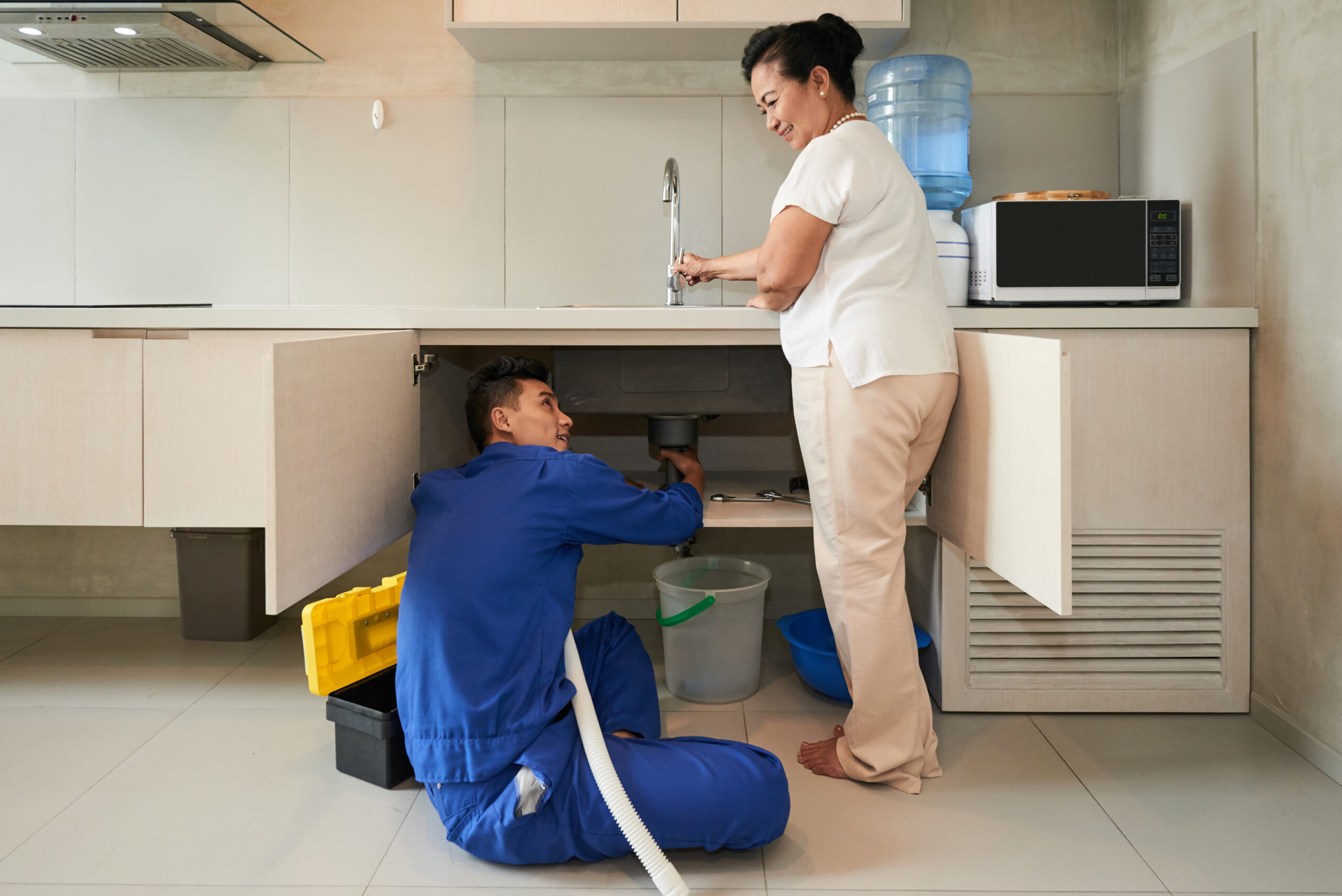
A drain snake breaks through a clog and restores flow, which is exactly why it feels like the problem is solved.
But snaking clears a path through the obstruction, it doesn’t remove root fragments, scrub the pipe wall clean of grease, or fix a belly in the line. If the underlying cause is still there, the clog comes back, often within a matter of weeks or months. Hydro jetting addresses this more completely by scouring the entire interior wall of the pipe, but even that won’t fix a structural issue like a pipe belly or a severely corroded section.
08
Getting to the Actual Root Cause
The only reliable way to know what’s really happening underground is a camera inspection. It shows root intrusion, main line problems, sewer line issues, cracks, corrosion, and other issues, and bellies directly, rather than leaving the diagnosis to guesswork based on symptoms alone. From there, the right fix depends on what the camera finds:

01
Root intrusion in an otherwise sound pipe: hydro jetting to clear roots and buildup, sometimes paired with a root treatment to slow regrowth
02
Grease-heavy buildup: hydro jetting to fully scour the pipe wall rather than repeated snaking
03
Cracked, collapsed, or severely corroded pipe: sewer line repair or trenchless replacement, since cleaning alone can’t fix a structural failure
04
A widespread pattern of aging pipe throughout the home: whole-property repiping may be the more cost-effective long-term move rather than repeated targeted repairs
Frequently Asked Questions
How do I know if my clog is from tree roots or something else?
The most reliable way is a camera inspection, since root intrusion has a distinctive visual signature. Recurring clogs, especially near mature trees or older landscaping, are a strong indicator worth checking.
Will cutting down a nearby tree stop the root intrusion?
It can help prevent new growth, but roots already inside the pipe won’t disappear on their own and typically still need to be cleared. Removing the tree addresses future risk, not the existing blockage.
How often should I have my sewer line inspected if I have recurring clogs?
If clogs are recurring, an inspection is warranted right away rather than waiting. A sewer camera inspection can help reveal a lot of causes. Once the cause is identified and addressed, an inspection every 2 to 3 years is a reasonable maintenance interval, especially for homes with older pipe or mature trees.
Is hydro jetting safe for old sewer pipes?
It depends on the pipe’s condition. Severely deteriorated clay or cast iron may not tolerate high pressure well, which is why a camera inspection before jetting is recommended for older lines.
How much does it cost to fix a recurring sewer clog for good?
It depends entirely on the cause. Hydro jetting to clear roots or grease buildup generally runs $350 to $1,600, while repairing or replacing a damaged section of pipe can range from $1,500 to $8,000 or more depending on length and access.