
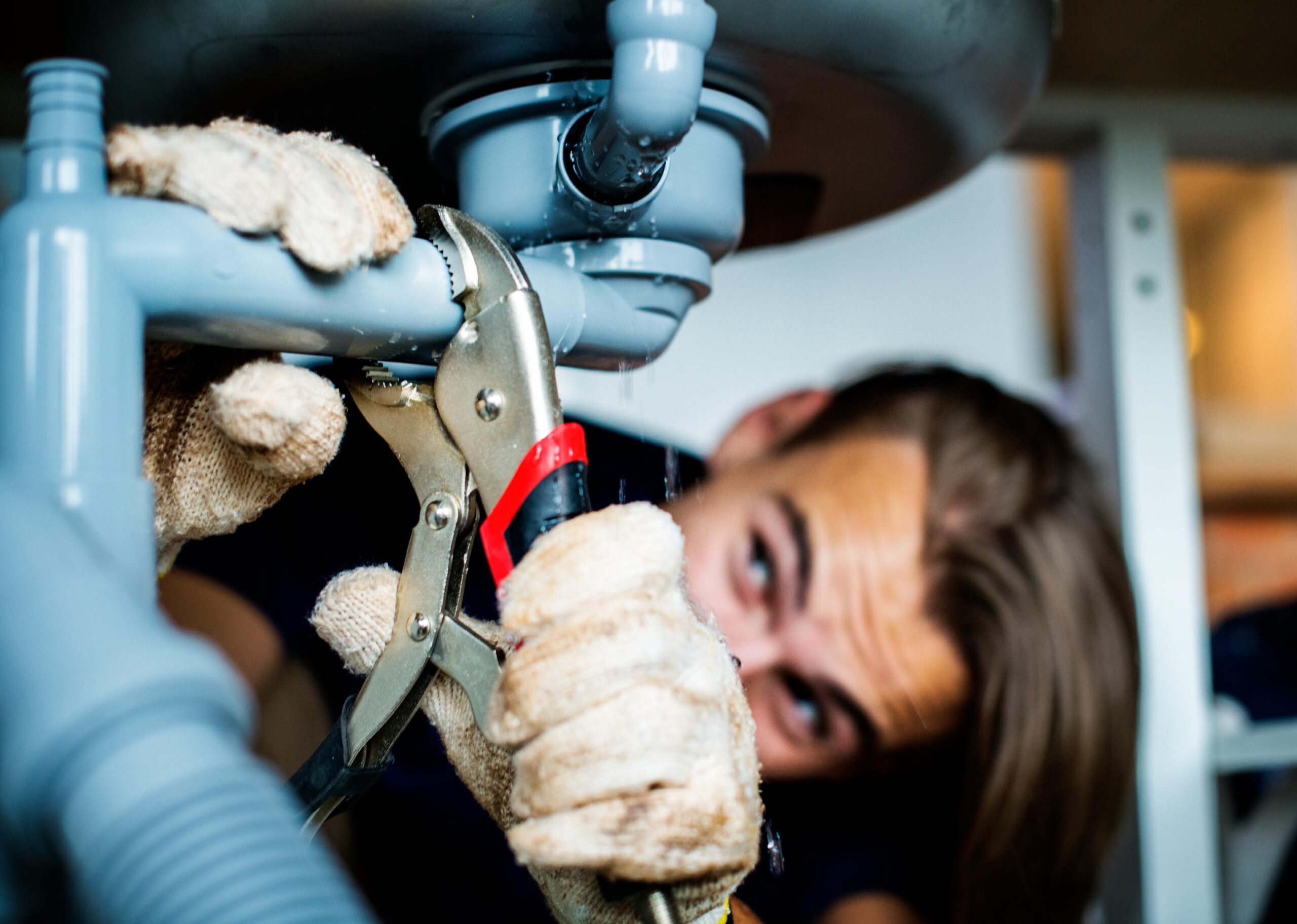

Miramar’s housing stock tells a specific story. A large share of homes in neighborhoods like Monarch Lakes, Huntington, and Silver Shores were built between the mid-1980s and early 2000s, and their plumbing systems are now at an age when problems stop being occasional and become recurring. South Florida’s hard water, clay-heavy soils, and year-round humidity accelerate the timeline compared to homes in drier climates. When the same issue keeps coming back, dependable plumbing solutions mean getting to the actual cause rather than repeating the same temporary fix. Here are the five problems that most often show up on service calls throughout Miramar.
Recurring Drain Clogs
A drain that clogs once after years of trouble-free use is usually a straightforward fix. A drain that clogs every few weeks or months, despite repeated service calls, is telling you something: the root cause was never addressed.
Standard drain snaking creates an opening through a blockage but leaves the pipe walls intact. In Miramar kitchens, grease and soap fat flow farther into drain lines before cooling because of Florida’s heat, then congeal deeper than a snake can reach. In bathrooms, South Florida’s hard water deposits mineral scale on pipe interiors, creating a rough surface that traps hair and debris more quickly than a smooth pipe would.
Hydro jetting scours the interior walls of the pipe with high-pressure water, removing the buildup rather than just punching through it. For drains with a history of recurrence, it is the repair that actually holds. A camera inspection run before jetting confirms the pipe condition and identifies any structural issues that need to be addressed separately.
Hidden Water Leaks
A hidden leak is one of the more expensive problems a Miramar homeowner can face, largely because the damage accumulates before anyone realizes the leak exists. Water stains on a ceiling below an upstairs bathroom, a water bill that has crept up without any change in usage habits, and a faint mold or mildew smell in a room with no visible moisture source are all signals that appear before the leak becomes visible.
South Florida’s humidity masks the smell of moisture in a home, and its warm temperatures accelerate mold growth once water reaches drywall, insulation, or subflooring. A leak that might take weeks to produce visible damage in a drier climate can cause significant mold growth inside a Miramar wall within days.
Leak detection using non-invasive diagnostic equipment locates the source behind walls, under floors, and beneath slabs without demolition. Once the source is confirmed, pipe repair addresses the actual problem rather than opening walls based on a guess.
Water Heater Failure
Water heaters in Miramar typically fail before their rated lifespan due to the mineral content in South Florida’s water supply. Calcium and magnesium deposit at the bottom of tank units over time, forming a sediment layer that forces the heating element to work harder, increases energy consumption, and eventually causes the rumbling and popping sounds homeowners notice before a unit fails.
A unit making noise but still producing hot water may have a few months of serviceable life left, or it may be closer to failure than it appears. A unit over 10 to 12 years old showing any combination of noise, reduced hot water capacity, discolored water, or moisture around the base is past the point where repair is cost-effective in most cases.
Water heater repair and replacement are available around the clock at standard rates. A plumber can assess the unit and give a clear recommendation before any commitment is made, including whether a tankless system makes more sense for your household’s usage and budget.
Low Water Pressure
Low water pressure throughout a Miramar home is almost never a single-cause problem. The most common culprits are mineral buildup narrowing the interior of supply pipes from years of hard water exposure, a failing pressure regulator that is no longer maintaining consistent line pressure, or a hidden leak somewhere in the system, bleeding pressure before it reaches the fixtures.
Older homes in Miramar with original galvanized steel pipes face an additional issue: those pipes corrode from the inside, shedding rust particles that restrict flow and discolor the water at the tap. Low pressure combined with rusty or brownish water at the faucet is a strong indicator that the supply pipes have reached the end of their useful life.
Pipe repair addresses isolated sections. Full repiping replaces corroded galvanized lines with modern materials that resist the mineral buildup and corrosion, as South Florida’s water conditions accelerate. A plumber will identify the specific cause before recommending either approach.
Running Toilets and Leaking Fixtures
A running toilet is easy to dismiss because it doesn’t create visible water damage, and the sound quickly becomes background noise. The water loss is anything but minor: a toilet running continuously wastes up to 200 gallons per day, which adds up on a water bill quickly and quietly.
The cause is almost always a worn flapper, a faulty fill valve, or a float that is no longer shutting off water at the correct level. These are straightforward repairs typically completed on a single visit. Leaking faucets follow a similar pattern, where a slow drip wastes roughly 3,000 gallons per year and stresses the internal valve seat over time, turning what would have been a simple washer replacement into a full faucet replacement if left long enough.
Faucet repair and toilet repair are handled on the first visit in most cases. Plumbing Around the Clock is licensed, insured, and bonded, and provides a written estimate before any work begins. If a fixture is beyond repair, replacement options and costs are reviewed with you before proceeding.
Related topics: