
Fort Lauderdale’s humidity is just part of life in South Florida, and most residents get used to it pretty quickly. But that same moisture that makes the air feel heavy is also doing quiet damage to the plumbing inside homes all across Broward County. Pipe joints expand and contract with temperature swings, seals wear out faster in humid conditions, and mold takes hold wherever even small amounts of moisture collect. At Plumbing Around the Clock, our efficient plumbing crew sees this kind of damage in Fort Lauderdale homes all the time, and knowing what to look for helps homeowners catch issues before they turn into bigger ones.
How Fort Lauderdale’s Climate Creates Plumbing Pressure
Average humidity in Fort Lauderdale runs high throughout the year, with summer months from June through September regularly pushing into the 80 to 90 percent range. Combine that with temperatures that stay warm year-round, and you have conditions that accelerate wear on materials plumbing systems rely on, including metal, rubber, and sealant compounds.
The effects build slowly and do not announce themselves all at once. A rubber seal that might last 20 years in a dry climate can degrade significantly faster in South Florida’s heat and moisture. A pipe joint exposed to persistent humidity-driven condensation has more opportunity for surface corrosion than one in a drier environment. Over years and decades in a Fort Lauderdale home, those differences add up.
How Humidity Accelerates Pipe Corrosion
Moisture in the air contributes to corrosion on the exterior surface of pipes, particularly metal supply lines in areas with limited ventilation. Under sinks, inside wall cavities, and in spaces with poor airflow, humidity can keep pipe surfaces consistently damp enough to accelerate oxidation.
For galvanized steel pipes, which are still present in a large number of Fort Lauderdale homes built before 1990, this compounds the corrosion happening on the interior from hard water and chlorinated municipal supply. The pipe corrodes from both directions. When exterior humidity damage and interior scale buildup combine, pipe wall integrity can degrade faster than in homes with better ventilation or newer materials. Our pipe repair team regularly works on corroded supply lines in older Fort Lauderdale properties.
The Effect on Seals, Joints, and Fixtures
Plumbing seals and gaskets keep water where it belongs. In a humid environment, the rubber and synthetic materials used in these components experience accelerated degradation. Heat causes expansion. Cool nights or air-conditioned interiors cause contraction. That repeated cycling over years weakens seals and loosens joints.
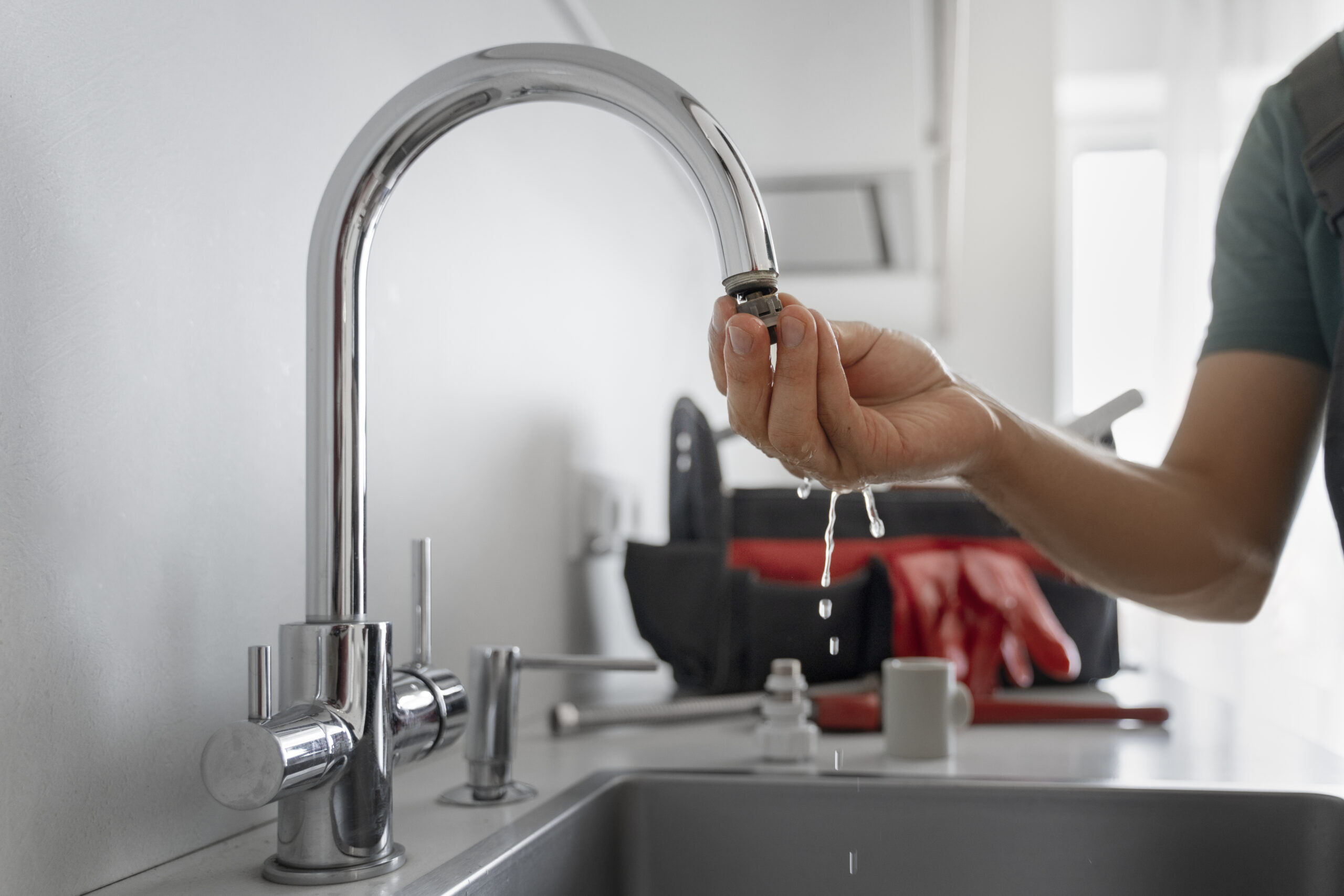
A toilet that develops a slow leak at the base, a faucet that drips even after the cartridge is replaced, or a showerhead that seeps around the connection point are all common results of seal degradation. In a Fort Lauderdale home, this kind of gradual failure tends to happen earlier than in drier climates. When we handle leak detection calls in the area, seal and joint failure from age and humidity are among the most common sources we find.
Mold Risk from Moisture and Slow Leaks
Even a slow drip behind a wall creates the moisture conditions mold needs to grow. In Fort Lauderdale’s climate, a small undetected leak can produce visible mold growth within a matter of days under the right conditions. Behind drywall and under flooring, a pinhole leak from a corroded pipe can go unnoticed for months while mold spreads.
This is one reason humidity-related plumbing issues deserve attention even when they do not feel urgent. The damage is not always in the pipe. It is in the wall cavity, the subfloor, or the cabinetry that gets wet day after day without anyone knowing. Catching a leak early through proactive leak detection keeps the repair cost from growing into a full remediation project.
What Humidity Does to Your Water Heater
Water heaters are built to handle moisture because they deal with water directly. But the exterior of a tank water heater in a humid garage or utility room is a different story. Surface condensation on the outside of the tank, combined with Fort Lauderdale’s ambient humidity, can cause the tank’s exterior to rust. If the anode rod inside the tank fails, interior rust follows.
A tank unit in South Florida that sits in a humid, poorly ventilated space will show exterior corrosion earlier than one kept in a conditioned space. Regular inspection of the tank exterior and the anode rod is a simple maintenance step that extends heater life. If the unit is already past 10 years old and showing rust or sediment-related sounds, a water heater assessment is worth scheduling.
Protecting Your Plumbing from South Florida’s Heat and Moisture
No plumbing system is immune to Fort Lauderdale’s climate, but the right materials and maintenance approach reduce the impact significantly. PEX piping handles South Florida’s water chemistry and humidity better than galvanized steel and resists the kind of corrosion that shortens pipe life in older homes. Proper ventilation in areas where pipes are exposed reduces the humidity that accelerates surface corrosion.
Annual inspections, especially in older homes in neighborhoods like Tarpon River, Broadview Park, or Hacienda Village where original pipe systems are still in place, allow problems to be found before they become expensive. We check for corrosion, joint integrity, seal condition, and moisture indicators during a standard service visit.
How We Diagnose Humidity-Related Plumbing Problems
We use moisture meters to detect elevated water content inside walls and under floors without cutting into drywall unnecessarily. Acoustic detection equipment picks up the sound of water escaping from a pipe that is not visible. Pressure testing identifies sections of a line that have lost integrity.
Related Topics: