- 3434 SW 53rd Ct, Fort Lauderdale, FL 33312, United States
- [email protected]
- 3434 SW 53rd Ct, Fort Lauderdale, FL 33312, United States
- [email protected]

- About
- Services
- Emergency Plumbing in Fort Lauderdale, FL
- Residential Plumbing in Fort Lauderdale, FL
- Commercial Plumbing Services in Fort Lauderdale, FL
- Top-Rated Drain Cleaning Services in Fort Lauderdale, FL
- Leak Detection in Fort Lauderdale, FL
- Pipe Repair in Fort Lauderdale, FL
- Water Filtration in Fort Lauderdale, FL
- Hydro Jetting
- Tub and Shower Fixtures Fort Lauderdale, FL
- Sewer Line Repair Fort Lauderdale, FL
- Sewer Inspection Fort Lauderdale, FL
- Repiping
- Backflow Prevention in Fort Lauderdale, FL
- Top-Rated Water Heater Repair Services in Fort Lauderdale, FL
- Faucet Repair in Fort Lauderdale, FL
- Toilet Repair in Fort Lauderdale, FL
- Plumber in Boca Raton
- Plumber Miramar FL
- Backflow Prevention in Miramar, FL
- Commercial Plumbing
- Residential Plumber Miramar FL
- Drain Cleaning
- Emergency Plumber
- Faucet Repair
- Garbage Disposal Repair
- Hydro Jetting in Miramar, FL
- Leak Detection
- Repiping Miramar FL
- Sewer Line Repair in Miramar, FL
- Sewer Inspection Miramar FL
- Toilet Repair Miramar FL
- Tub and Shower Fixtures Miramar FL
- Water Filtration in Miramar, FL
- Pipe Repair Miramar FL
- Service Areas
- Fort Lauderdale Neighborhood
- Serving All of Fort Lauderdale, FL
- Plumber Alandco FL
- Plumber Broadview Park FL
- Plumber Flagler Village FL
- Plumber Hacienda Village FL
- Plumber Harbor Beach FL
- Plumber Las Olas Isles FL
- Plumber Melrose Manors FL
- Plumber Progresso Village FL
- Plumber Rio Vista FL
- Plumber Royal Poinciana FL
- Plumber Tarpon River FL
- Plumber Victoria Park FL
- Plumber Melrose Manors FL
- Miramar Neighborhoods
- Our Locations
- Plumber Oakland Park FL
- Plumber Plantation FL
- Plumber Pompano Beach
- Plumber Sunrise FL
- Plumber Tamarac FL
- Plumber Weston FL
- Hollywood FL Plumber
- Plumber Coconut Creek FL
- Plumber Cooper City FL
- Plumber Coral Springs FL
- Plumber Davie FL
- Plumber Deerfield Beach
- Plumber Lauderhill FL
- Plumber Dania Beach FL
- Plumber Hallandale Beach
- Plumber Margate FL
- Plumber Pembroke Pines FL
- Plumber Parkland FL
- Contact
An Honest 2026 Guide
Tankless vs. Traditional Tankless vs. Traditional
Which One Is Better for Your Home?
When a water heater fails, most homeowners are in reactive mode: hot water is out, someone needs a shower, and a decision that should take real thought gets made in twenty minutes on the phone with a plumber. If you have a little more runway, it’s worth understanding what actually separates a tankless system from a traditional tank, because in Florida’s climate and water conditions, the right answer isn’t always the obvious one.
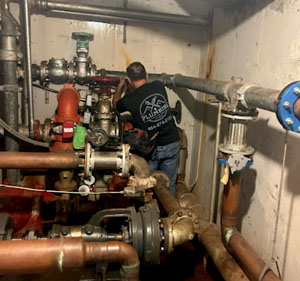
Here’s a straightforward look at key factors such as low utility bills, efficiency, maintenance, and lifespan for both options, with an eye toward what actually matters in the debate of tankless vs traditional water heater Florida homes specifically.
01
Basic Difference of water heater and heat pump water heater
A traditional tank water heater stores 40 to 50 gallons of water and keeps it heated around the clock, ready whenever you turn on a hot tap. A tankless system heats water on demand as it flows through the unit, with no standing reserve. That single difference is the root of nearly every other distinction between the two, from upfront cost to how the unit life.
02
Affordable Upfront Cost for South florida home
Traditional tanks are cheaper to buy and install.
A standard 40 to 50 gallon water heater installation in Florida typically runs $1,200 to $2,000. Tankless systems cost more upfront, generally $2,500 to $4,500 installed, and can run higher if your home needs a gas line upgrade or electrical panel work to support the unit helping to save money.
That gap is the single biggest reason homeowners hesitate on tankless, and it’s a legitimate consideration if you’re working with a tight budget or don’t plan to stay in the home long enough to recover the difference.
03
Operating Cost and Efficiency: Energy cost
Tankless heater units avoid the standby heat loss that comes with keeping a full tank hot 24 hours a day, which translates into real energy costs, generally 24 to 34 percent for average households and 8 to 14 percent even for high-usage homes.
Over a year, that’s a meaningful dent in a Florida energy bill, particularly for electric models running through the summer cooling season alongside the AC.
The efficiency advantage compounds over time. A traditional large tank spends energy maintaining temperature even when nobody’s home, while a tankless unit only fires up when a tap is actually open, making a huge difference in energy consumption.
04
Lifespan: The Number That Actually Moves the Math
This is where the comparison tends to shift in tankless models
A traditional tank water heater lasts 8 to 12 years in most Florida homes, often toward the shorter end given the state’s hard water. A well-maintained tankless unit can run 15 to 20 years or more in multiple bathrooms.
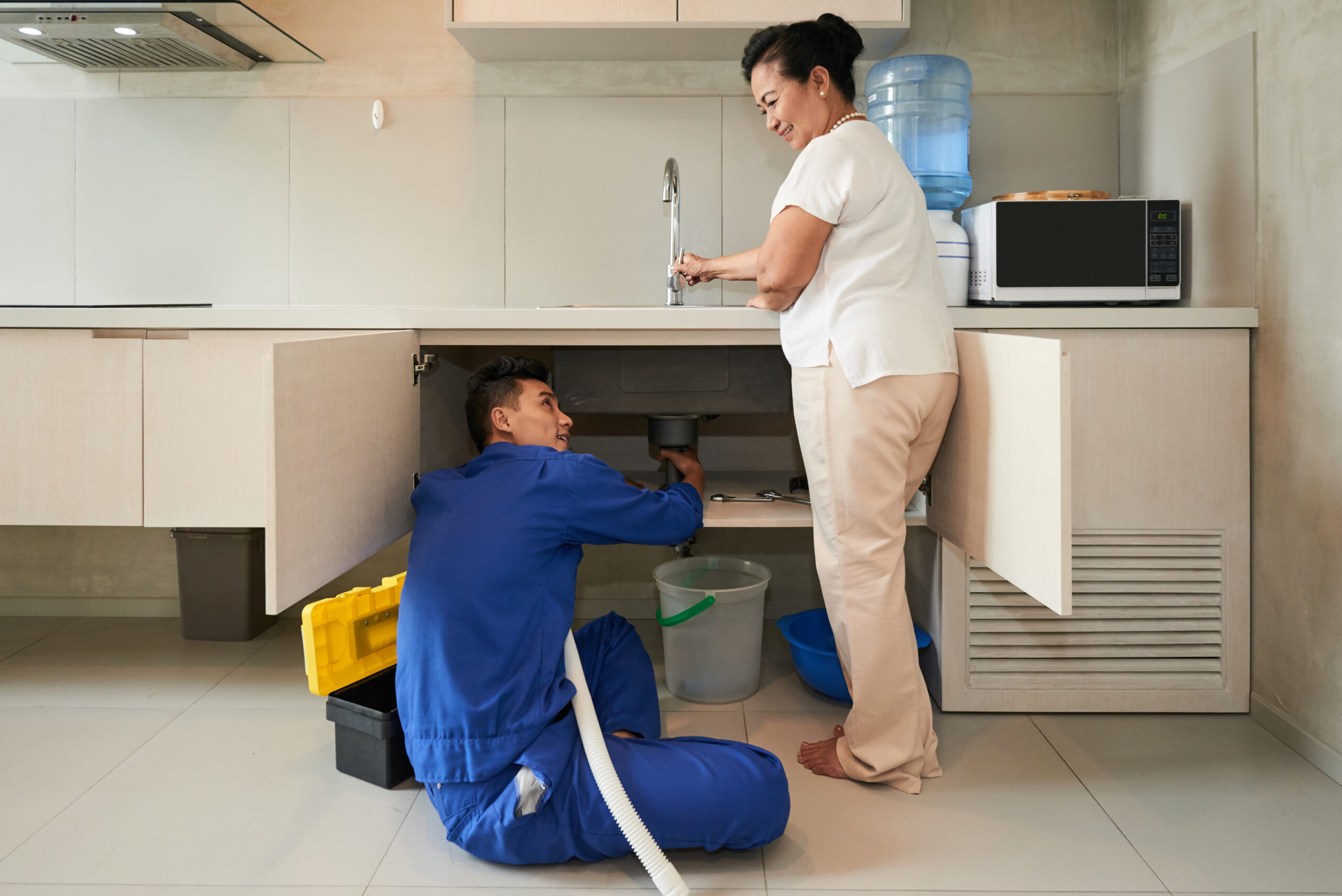
Practically, that means a homeowner who installs a tank system today will likely be buying and installing a second one before a tankless system installed on the same day needs its first replacement. That second installation carries the full cost again, labor included, which changes the total cost of ownership more than the sticker price alone suggests keeping more valuable space separated.
05
Tankless vs traditional water heater Florida Side-by-Side Comparison
| Traditional Tank | Tankless | |
|---|---|---|
| Upfront installed cost (FL) | $1,200 – $2,000 | $2,500 – $4,500 |
| Typical lifespan | 8 – 12 years | 15 – 20+ years |
| Energy efficiency | Standard, constant standby loss | 24–34% more efficient (avg. use) |
| Hot water supply | Limited to tank capacity | Continuous, on demand |
| Space required | Larger footprint, floor space | Compact, wall-mounted |
| Annual maintenance | Flush + anode rod check | Descaling recommended annually |
| Best for | Lower upfront budget, simple swap | Long-term homeowners, high usage |
06
Maintenance in Florida's Water Conditions for Florida homeowners
Florida’s hard water affects both systems, just differently.
Traditional tanks accumulate sediment that should be flushed annually, and the anode rod, a sacrificial component that protects the tank from corrosion, typically needs replacing every 3 to 5 years. Skip either step and you can shave real years off the unit’s life.
Tankless systems are more sensitive to mineral scale, which builds up inside the heat exchanger and reduces efficiency over time if it’s not addressed. An annual descaling service, typically $100 to $250, keeps a tankless unit running at its rated efficiency. Homes with particularly hard water may benefit from a water softener or filtration system installed ahead of the unit to extend its life further.
07
Installation Considerations: Energy savings or the traditional heaters
Traditional tank replacement is usually a straightforward, same-day swap when it’s a like-for-like installation.
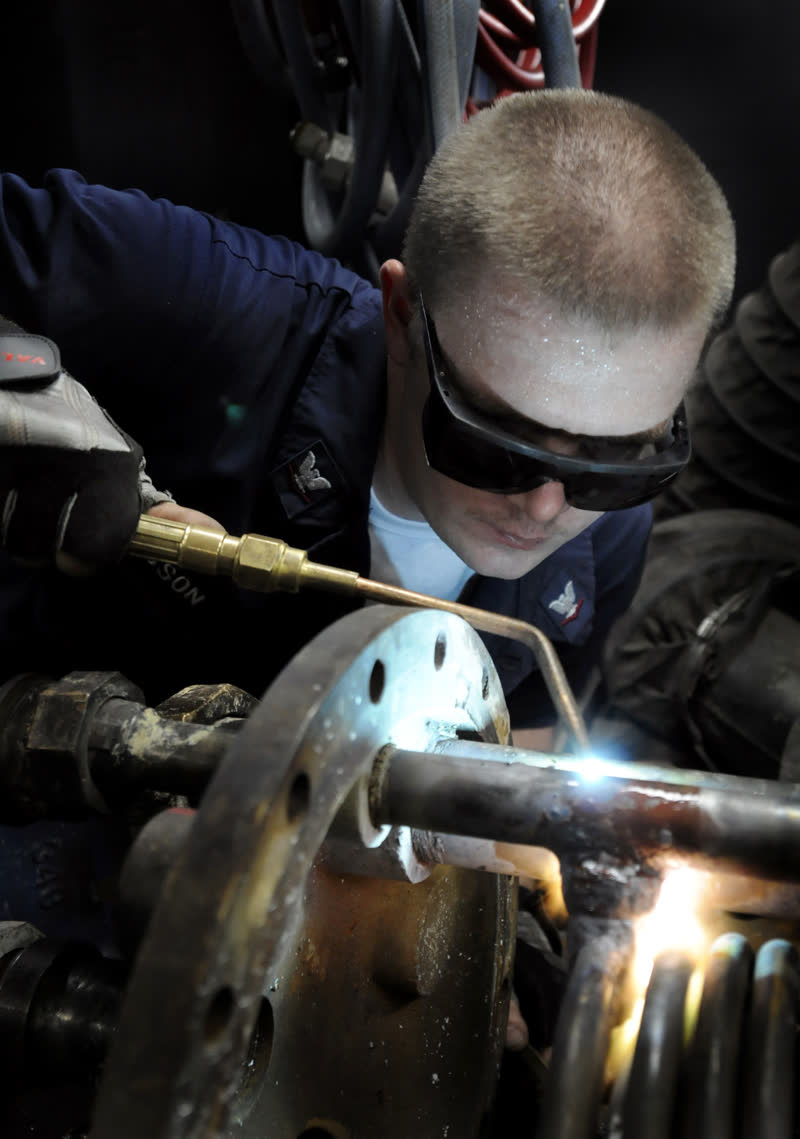
Tankless installation is more involved, especially as a retrofit, since it often requires larger gas lines, dedicated venting, or an electrical panel upgrade for electric models. This is part of why the installed cost for tankless carries a wider range than a tank replacement: the unit itself is a smaller share of the total bill than the supporting work around it.
If you’re building new or doing a larger renovation, installing tankless from the start avoids most of this friction, since the gas and venting can be planned in from day one rather than retrofitted.
08
What Happens When a Water Heater Fails Without Warning
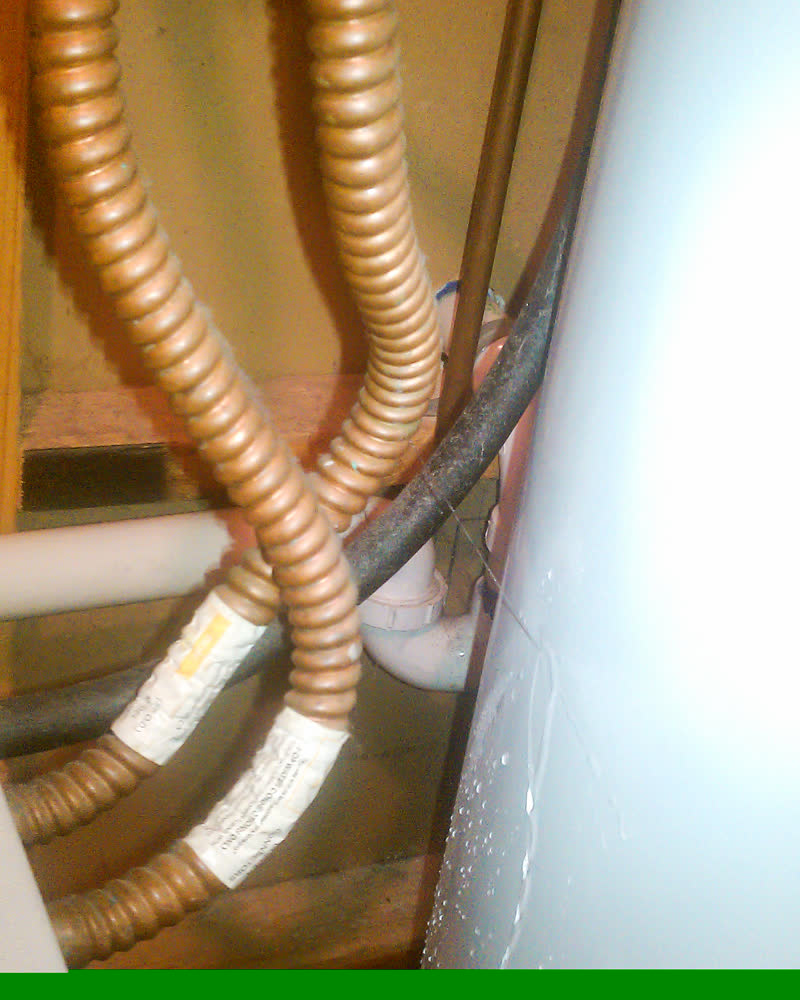
Water heaters rarely fail on a convenient schedule. A tank that’s leaking at the base, or a unit that’s simply stopped producing hot water altogether, is exactly the kind of situation emergency plumbing service exists for. In that moment, the tankless-versus-tank debate becomes secondary to getting hot water restored quickly and safely, and a same-day tank swap is often the fastest path back to normal, even for a household that would otherwise lean toward tankless for the long-term math.
If your current unit is already past 8 to 10 years old, it’s worth having this conversation with a plumber before it fails rather than after, since a planned replacement gives you room to actually weigh tankless against a tank rather than making the decision under pressure with cold water running.
If you’re building new or doing a larger renovation, installing tankless from the start avoids most of this friction, since the gas and venting can be planned in from day one rather than retrofitted.
09
Which One Actually Makes Sense for Your Home for Long term savings
A few honest rules of thumb:
01
If you’re planning to sell within the next few years, a traditional tank is usually the more cost-effective choice, since you won’t be around to recoup the tankless investment
02
If you have a large household with overlapping hot water demand (multiple showers, laundry, and dishwasher running close together), tankless solves the running-out-of-hot-water problem that tanks can’t
03
If your budget is tight right now and the unit failed unexpectedly, a tank replacement gets hot water back fastest and cheapest
04
If you’re staying long-term and want to minimize the odds of a repeat replacement and lower monthly utility costs, tankless is generally the stronger investment
Either way, a licensed plumber should size the unit to your household’s actual usage rather than defaulting to a like-for-like swap. An undersized tankless system will leave you with lukewarm water during peak demand, and an oversized tank wastes energy keeping water hot you’re not using. If you’re not sure which direction makes sense, a residential plumbing consultation can walk through your household’s actual hot water usage before you commit either way.
Frequently Asked Questions
Is tankless worth the extra upfront cost in Florida?
For homeowners staying in their home more than 7 to 10 years, yes in most cases. The combination of a longer lifespan and lower operating costs generally offsets the higher installation price over that time horizon.
Do tankless water heaters work well with Florida's hard water?
They work well with regular maintenance. Annual descaling is important in hard water areas to prevent mineral scale from reducing efficiency and shortening the unit’s life.
Can a tankless water heater run out of hot water?
Not in the way a tank can, since it heats on demand rather than drawing from a limited reserve. It can, however, hit its maximum flow rate if too many fixtures run hot water simultaneously, which is why correct sizing matters.
How long does tankless water heater installation take?
A straightforward replacement of an existing tankless unit can often be done in a few hours. A first-time conversion from tank to tankless, especially one requiring gas line or venting changes, more commonly takes a full day.
What happens to a tankless water heater during a power outage?
Gas tankless units still require electricity for ignition and controls in most cases, so they generally won’t operate without power unless the model has a battery backup option. This is worth discussing given Florida’s hurricane season.